Jamaican Food Pairings That Work Beautifully
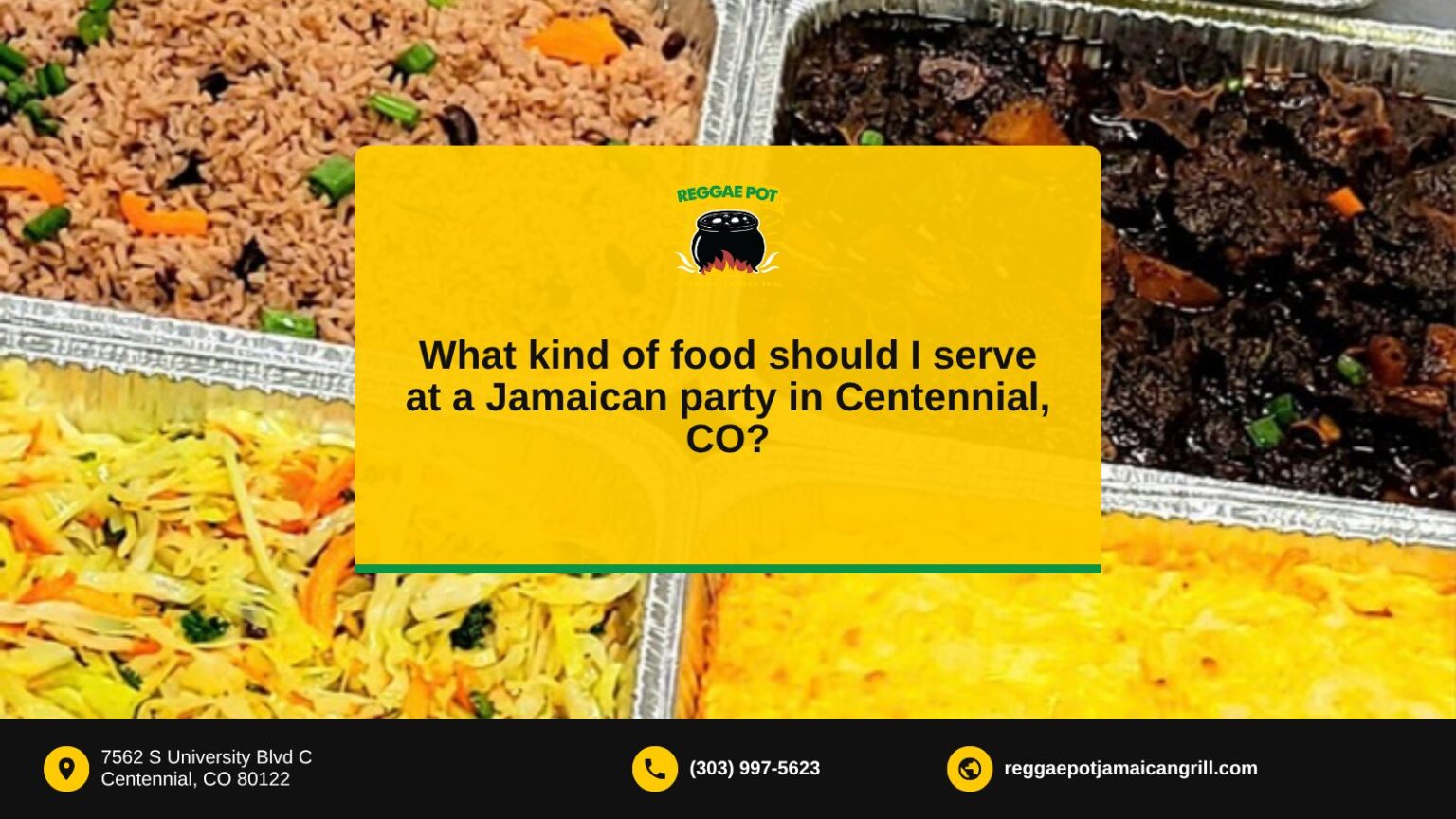

Jamaican food rewards boldness, but the best pairings are rarely about stacking intensity on top of intensity. They are about balance. Heat needs sweetness. Smoke needs acid. Richness needs something crisp, raw, or starchy to catch it. Once you understand that rhythm, pairing Jamaican food becomes less mysterious and far more satisfying.
That rhythm is what makes a plate of jerk chicken with festival feel complete instead of crowded. It is why a spoonful of escovitch vegetables can wake up fried fish in a way that plain salad never quite does. It is also why some combinations that sound right on paper fall flat at the table. A heavy stew with another heavy side can feel exhausting after a few bites, while a sharper, lighter partner keeps the meal moving.
If you cook Jamaican food at home, or order it often enough to start noticing patterns, you eventually see that pairings are doing several jobs at once. They can cool spice, stretch protein, add contrast in texture, or bridge one strong flavor to another. The most successful combinations usually do at least two of those things.
What makes a Jamaican pairing work
A lot of classic Jamaican cooking is driven by seasoning pastes, allspice, thyme, scallion, Scotch bonnet, ginger, garlic, pimento wood smoke, and long simmering. Those are deep, expressive flavors. They need support, not competition.
Starches matter more than people sometimes realize. Rice and peas, plain white rice, bammy, boiled green banana, roasted breadfruit, ground provisions, hard dough bread, festival, and fried dumpling are not just fillers. They control pace and intensity. A fiery curry goat tastes different with white rice than it does with rice and peas. White rice lets the gravy dominate. Rice and peas adds coconut, creaminess, and a slightly sweeter edge, which can soften sharper notes in the curry.
Acid is another major player. Lime, vinegar, pickled vegetables, ripe tomatoes, and fresh fruit all help cut through rich meats and fried foods. This is why escovitch works so well, and why a simple wedge of lime with fish can change the whole plate.
Texture is the overlooked piece. Jamaican food can be soft and saucy, especially with braises and stews. Pairing those dishes with something that has a crisp crust or dry crumb often makes the meal feel more complete. Think curry chicken with a flaky roti, or stew peas with a slice of coconut bread on the side.
Jerk dishes need more than heat management
People often approach jerk as if the only pairing question is how to cool the spice. That misses the point. Good jerk has heat, yes, but also smoke, sweetness, herbaceous notes, and char. The ideal partner should interact with all of that.
Jerk chicken with festival is one of the best known pairings for a reason. Festival has a lightly sweet cornmeal-based dough and a fried exterior that stands up to the smoky crust of the chicken. The sweetness does not https://israelagqs118.iamarrows.com/how-jamaican-food-reflects-jamaica-s-heritage erase the heat. It frames it. After a few bites of jerk, a piece of festival brings the palate back into balance and gets you ready for more.
Rice and peas is another excellent partner for jerk chicken, especially when the jerk is particularly hot or heavily smoked. Coconut milk rounds the edges, while the peas and rice add body without overwhelming the meat. If the chicken has been grilled over pimento wood or charcoal, the rice acts almost like a canvas, catching dripping juices and distributing flavor evenly across the plate.
Jerk pork tends to benefit from a brighter side than jerk chicken does. Pork carries more fat, so it welcomes pickled vegetables, sliced cucumber, mango salsa, or a fresh slaw with lime. One of the best plates I have had paired chopped jerk pork with a sharp cabbage slaw that had just enough sweetness to echo the caramelized edges of the meat. Without that slaw, the pork would have been delicious but tiring by the halfway mark.
Jerk fish is a different conversation. Because fish is more delicate, it often pairs better with restrained sides. Bammy works beautifully here. Cassava bammy has chew, subtle flavor, and enough structure to absorb juices without stealing attention from the fish. Add a squeeze of lime and the pairing sharpens further.
Why rice and peas is not the answer to everything
Rice and peas is iconic, but it is not automatically the best side for every Jamaican dish. It can make some meals feel too dense, especially when the main item already carries a thick gravy or a lot of coconut richness.
With brown stew chicken, for example, rice and peas is lovely, but plain white rice can actually be the stronger choice when the stew is especially sweet from browning sauce and onions. White rice gives you cleaner contrast and lets the sauce speak clearly. If the brown stew is lighter and less sticky, rice and peas brings a welcome roundness.
Ackee and saltfish is another case where judgment matters. Served for breakfast or brunch, it often shines with fried dumpling, boiled green banana, roasted breadfruit, or slices of hard dough bread. Rice would feel oddly heavy there. Ackee has a soft, buttery texture, and saltfish brings salinity and chew. A dumpling adds crunch and comfort. Green banana adds firmness and earthy restraint. Breadfruit gives a creamy, starchy balance that feels native to the dish rather than tacked on.
Callaloo also proves the point. A sautéed callaloo dish with saltfish, onions, and Scotch bonnet can support a range of companions, but its best partners are often breakfast starches rather than dinner starches. Fried plantain, boiled yam, or dumpling make more sense than a mound of rice. The pairing succeeds because the starches absorb savory juices without dragging the dish into heaviness.
Fish pairings depend on cooking style
Not all Jamaican fish dishes ask for the same support. Fried fish, steamed fish, escovitch fish, and rundown all move differently on the palate.
Escovitch fish is one of the clearest examples of contrast done right. The fish is typically fried until the exterior has real texture, then topped with a hot vinegar-based mixture of carrots, onions, and Scotch bonnet. Because the topping is bright and assertive, the ideal side should be mild and grounding. Bammy is classic for good reason. So is festival, though it creates a sweeter effect. If the fish is heavily dressed with escovitch vegetables, bammy usually gives the cleaner balance.
Steamed fish with okra and crackers is softer, gentler, and brothier. It benefits from sides that can absorb liquid without turning gummy. Boiled provisions fit naturally here. Green banana, yam, and dumpling all work because they pull flavor from the broth while adding body. A highly seasoned rice would distract.
Run down, especially mackerel run down cooked in coconut milk, needs careful handling because it is already rich and aromatic. A plain starch is often best. White rice or boiled green banana keeps the coconut from becoming cloying. I would avoid pairing run down with something equally sweet, like ripe fried plantain, unless the portion is small and you want a more breakfast-like plate.
Curry wants relief, but not always cooling
Jamaican curry dishes are different from the heavy, creamy curry style many people expect elsewhere. They often have turmeric warmth, allspice depth, thyme, scallion, Scotch bonnet, and a thinner, livelier gravy. The best pairing gives the sauce room to spread out.
Curry goat and white rice is a near perfect combination when the goat has been cooked until tender but the gravy still has some edge. White rice catches every drop and keeps the spice profile clear. Rice and peas can work too, especially for guests who want a rounder plate, but it can slightly blur the distinction between the curry and the side if both are very rich.
Curry chicken is more flexible. Rice and peas works well because chicken is lighter than goat and welcomes a more substantial side. Roti is also excellent, particularly if the curry has potatoes that can be folded into the bread. The appeal there is not just convenience. It is textural. Soft flatbread against spoon-tender chicken creates a satisfying contrast that rice cannot replicate.
Curry shrimp asks for the lightest touch. Shrimp cooks quickly and can disappear under overly dense sides. White rice, coconut rice in moderation, or even a simple side of steamed vegetables usually makes more sense than fried dumplings or heavy ground provisions.
A few practical rules help when curry is on the menu:
- The richer the gravy, the plainer the starch should be.
- The smaller the protein, the lighter the side should feel.
- If Scotch bonnet heat is high, add acid before adding more starch.
- Coconut-based sides work best when the curry itself is not already very sweet.
- Roti is strongest with chicken or vegetables, slightly less elegant with very bony goat.
Fried foods need lift
Jamaican food has some glorious fried dishes, from fried chicken and fried fish to plantain, dumplings, fritters, and patties. The temptation is to keep piling on indulgent sides, but fried foods really improve when paired with something sharp, juicy, or fresh.
Saltfish fritters with a peppery dipping sauce and a cool cucumber salad make far more sense than fritters beside another fried starch. The salad does not need to be elaborate. Even sliced tomato and cucumber with lime and black pepper will do the job.
Jamaican patties are often treated as standalone snacks, and they can be, but they pair surprisingly well with coco bread because the bread softens the pastry’s intensity and turns the filling into something more substantial. That said, if the filling is already rich, such as beef with cheese, a cold drink matters just as much as the bread. A chilled sorrel, ginger beer, or even a simple limeade can keep the snack from feeling greasy.
Fried ripe plantain is a frequent side, but it should be used with judgment. It is excellent beside salty or spicy foods because it brings sweetness and a soft texture. It is less successful next to dishes that are already sweet from browning sauce or caramelization. Brown stew chicken with very sweet plantain can push the meal too far in one direction unless there is also something acidic on the plate.
Drinks are part of the pairing, not an afterthought
Many people think about the plate and ignore the glass. With Jamaican food, that is a missed opportunity because beverages often complete the meal.
Sorrel, especially around the holidays, pairs beautifully with roasted and stewed meats. Its tartness, spice, and slight tannic quality cut through richness with real authority. It stands up well to ham, jerk pork, and even oxtail. If the sorrel is very sweet, serve it colder and with more ice than usual to preserve balance.
Ginger beer is one of the smartest pairings for spicy Jamaican food. Proper ginger beer has bite. It does not merely cool heat, it answers it. That sharp ginger quality works especially well with jerk chicken, patties, and fried fish.
Irish moss is less universal, but with lighter breakfasts or small savory items it can be surprisingly good. Its creamy texture can soften salty foods, though I would not pair it with the heaviest stews.
Rum punches and stronger drinks require caution. They can flatter smoky grilled foods, but they can also dull the palate if served too sweet or too early in the meal. When jerk is very hot, a boozy, sugary drink often makes the experience feel muddled. A sharper highball or a simple cold beer is usually more effective.
Fruit does important work on a Jamaican table
Fruit pairings are sometimes dismissed as decorative, but in Jamaican cooking they can be structural. Mango, pineapple, lime, and even orange can reset the palate between rich bites.
Pineapple with jerk is not a gimmick when handled properly. Charred pineapple, in particular, echoes grill flavors while contributing acidity and sweetness. The key is moderation. A small serving adds lift. A large, sugary side can make the meal feel sticky.
Mango works beautifully in relishes with fish or pork. A green mango slaw beside fried snapper can be exceptional because it offers crunch, tartness, and a little fruitiness without turning into dessert. Ripe mango is softer and sweeter, so it pairs better with stronger, spicier meats than with delicate seafood.
Lime is the quiet hero. A squeeze over fried fish, grilled lobster, or even curry shrimp can open flavors that were already present but muted. It is a reminder that pairings do not need to be elaborate to matter.
Oxtail, stew peas, and other rich dishes need discipline
The richer the main dish, the more disciplined the pairing should be. Oxtail is a perfect example. Properly cooked oxtail is gelatinous, deeply savory, and often finished in a thick gravy with butter beans. It does not need much help. Rice and peas is the standard, and deservedly so, but portioning matters. Too much rice can make the plate feel sluggish. A smaller mound of rice and a spoonful of steamed cabbage often create a more elegant balance than an oversized heap of starch.
Stew peas can be even trickier. It is already a dense, full dish, with coconut milk, beans, meat, spinners, and a thick body. Pairing it with another heavy side is usually unnecessary. A small piece of hard dough bread can be enough. Some cooks serve it almost as a complete meal, and that judgment is sound.
Mannish water, red peas soup, and chicken foot soup are similar in that they often function as both soup and meal. Crackers or a small piece of bread may be all you need. Adding extra sides out of habit can interfere with what makes those dishes satisfying in the first place.
Here is where people commonly get pairings wrong:
- They match heavy mains with heavy sides out of tradition rather than appetite.
- They add sweetness where the dish already has plenty of it.
- They ignore acidity, especially with fried foods and rich stews.
- They overuse rice and peas when white rice or provisions would work better.
- They forget that drinks can either sharpen or flatten the meal.
Breakfast pairings deserve more respect
Jamaican breakfast is one of the best places to study pairings because every component has a job. Ackee and saltfish with fried dumpling is not random comfort food. It is a carefully evolved contrast between soft, salty, and crisp. Add a slice of avocado when in season and you get another layer of creaminess, but one with freshness rather than weight.
Callaloo with boiled green banana makes sense for similar reasons. The greens are tender and savory, while the banana offers firmness and a mild flavor that keeps the plate grounded. Liver can pair with hard dough bread or fried dumpling, depending on how much sauce is on it. Mackerel, especially sautéed with onions and tomato, often benefits from boiled food because the salt level is high and the starch tones it down.
These combinations tell you something important about Jamaican food more broadly. The best pairings are often practical first and luxurious second. They come from appetite, climate, ingredient availability, and the need to make intensely flavored foods feel complete without wasting anything.
How to build your own pairings with confidence
If you are putting together a Jamaican meal at home, start by asking what the main dish already does well. Is it spicy, smoky, sweet, oily, rich, brothy, or sharp? Then choose the side that fills the gap rather than repeating the same trait.
A smoky jerk chicken needs sweetness or starch, not more smoke. A rich curry goat needs space, not another creamy element. Fried fish needs acid and a calm base. Ackee and saltfish needs texture. Oxtail needs restraint.
Pay attention to serving temperature as well. A hot, spicy main with a cool fresh side often tastes better than an all-hot plate, especially in warm weather. That is one reason slaws, sliced cucumber, and fresh fruit work so well with grilled meats.
Portion balance matters just as much as flavor balance. Some of the best Jamaican plates are built with a strong main, a moderate starch, and one bright accent. When every element is large and powerful, the meal can lose definition. When each element has room, you taste more.
Jamaican food is generous by nature, but generosity does not mean excess in every direction. It means giving each dish what it needs to shine. Sometimes that is rice and peas. Sometimes it is bammy, a wedge of lime, a spoonful of pickled vegetables, or a glass of ginger beer cold enough to sting. Those are the pairings that work beautifully, not because they are fashionable, but because they understand the food.
Reggae Pot Jamaican Grill
7562 S University Blvd C, Centennial, CO 80122
(303) 997-5623
FAQ About jamaican food
What is the best Jamaican food to try in Centennial?
The best choice depends on your preferences. Reggae Pot Jamaican Grill offers jerk chicken, curry goat, oxtail, and escovitch snapper, along with sides such as rice and peas and fried plantains. Ask the restaurant about current availability and spice levels before ordering.
Is Jamaican food very spicy in Centennial?
Heat varies by dish and preparation. Jerk dishes can be hot, while some stews and sides are milder. Tell the restaurant your preferred heat level and ask which options suit you.
What is typically on a Jamaican menu?
Common choices include jerk chicken, curries, oxtail, fish, patties, rice and peas, and plantains. Reggae Pot also lists ackee and saltfish and vegetable dishes. Menus and availability can change, so confirm your choices when ordering.